
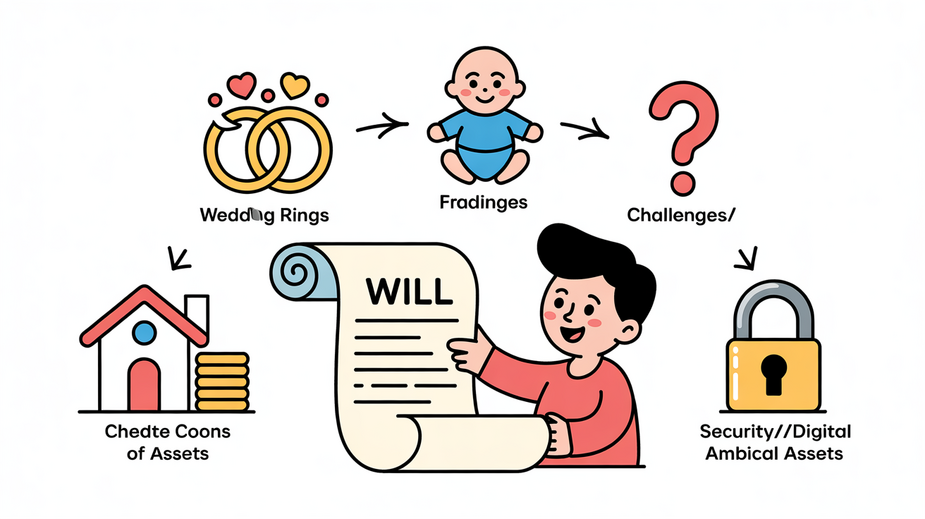
The Role of Wills in Hong Kong Estate Planning: Common Pitfalls to Avoid
📋 Key Facts at a Glance
- Hong Kong Has No Estate Tax: Estate duty was abolished in 2006, making Hong Kong one of the few jurisdictions with no inheritance tax.
- Mandatory Witnessing: Every valid Hong Kong will requires two witnesses who are not beneficiaries, both present during signing.
- Marriage Revokes Wills: Getting married automatically invalidates any existing will unless made in contemplation of that marriage.
- Stamp Duty Applies: Property transfers through inheritance attract stamp duty at current rates (up to 4.25% for high-value properties).
- Cross-Border Complexity: Assets in mainland China or other countries require separate legal planning beyond your Hong Kong will.
Have you considered what happens to your Hong Kong property, investments, and digital assets when you’re no longer here? While Hong Kong abolished estate duty in 2006, making it one of the world’s most inheritance-friendly jurisdictions, proper estate planning remains crucial. A well-crafted will ensures your assets are distributed according to your wishes, not by default rules that might exclude loved ones or create family conflicts. This guide explores the essential elements of Hong Kong will planning and the common pitfalls that can derail even the best intentions.
The Non-Negotiable Legal Requirements for Hong Kong Wills
Creating a valid will in Hong Kong isn’t just about writing down your wishes—it’s about following strict legal formalities under the Wills Ordinance. Missing even one requirement can invalidate your entire document, leaving your estate to be distributed according to intestacy rules that may not reflect your intentions.
The Critical Two-Witness Rule
The most common fatal error in will creation is improper witnessing. Hong Kong law mandates that you must sign your will in the simultaneous presence of two witnesses. These witnesses must then attest and sign the document themselves, also in your presence. Crucially, these witnesses cannot be beneficiaries named in the will—if they are, any gift left to them becomes invalid.
Format Flexibility with Execution Rigor
Your will can be handwritten, typed, or printed—the format is flexible. What matters is clarity and proper execution. The document must unambiguously express your final wishes and comply with all witnessing requirements. For non-residents with Hong Kong assets, special considerations apply: Hong Kong law governs immovable property (real estate) located here, while movable property follows the law of your domicile.
Life Events That Demand Immediate Will Updates
Your will isn’t a “set and forget” document. Major life changes can render it ineffective or create unintended consequences. Being proactive about updates ensures your estate plan always reflects your current circumstances and wishes.
| Life Event | Impact on Existing Will | Required Action |
|---|---|---|
| Marriage | Automatically revokes entire will (unless made in contemplation of marriage) | Create new will immediately after marriage |
| Divorce/Annulment | Voids appointments and gifts to former spouse (but doesn’t revoke entire will) | Update will to redirect inheritance and review guardianship arrangements |
| Birth of Child/Grandchild | Does NOT automatically include new family members as beneficiaries | Explicitly add new beneficiaries and appoint guardians for minors |
| Significant Asset Changes | May make existing distributions impractical or unfair | Review and adjust asset allocations and percentages |
| Death of Beneficiary/Executor | Creates gaps in your estate plan | Appoint new beneficiaries and executors, update distribution plans |
Choosing the Right Executor: More Than Just a Name
Your executor is the person responsible for turning your written wishes into reality. This role involves significant legal, financial, and administrative responsibilities that many people underestimate. A poor choice can lead to delays, errors, and family conflicts.
Executor Responsibilities in Hong Kong
- Obtaining Probate: Applying to the High Court for legal authority to administer your estate
- Asset Management: Identifying, valuing, securing, and managing all estate assets
- Settling Liabilities: Paying outstanding debts, taxes (including stamp duty on property transfers), and funeral expenses
- Distributing Assets: Ensuring beneficiaries receive their inheritances as specified
- Estate Accounting: Maintaining meticulous financial records and providing accounts to beneficiaries
Common Executor Selection Mistakes
- Choosing Based on Emotion Alone: A close family member may lack the time, skills, or emotional capacity to handle complex estate administration.
- Appointing Overseas Executors: Geographic distance creates logistical hurdles for signing documents, meeting with professionals, and managing local assets.
- Overlooking Professional Options: Solicitors, trustee companies, or accounting firms offer expertise and impartiality, especially valuable for complex estates or potential family conflicts.
Cross-Border Estate Planning: Navigating Multiple Jurisdictions
If you own assets outside Hong Kong, your estate planning becomes exponentially more complex. A Hong Kong will doesn’t automatically control foreign assets, and different countries have varying inheritance laws and tax regimes.
| Asset Location | Key Challenges | Planning Strategies |
|---|---|---|
| Foreign Real Estate | Subject to local inheritance laws; may require separate probate or local will | Create jurisdiction-specific wills or ensure Hong Kong will is recognized locally |
| Multiple Countries | Risk of double taxation; different probate procedures in each jurisdiction | Consult international estate planning experts; utilize double taxation treaties where available |
| Mainland China Assets | Civil law system differs from Hong Kong’s common law; complex property transfer rules | Coordinate with mainland China legal specialists; consider separate mainland will |
| International Investments | Different reporting requirements; potential foreign estate/inheritance taxes | Maintain detailed records; consider holding assets through Hong Kong structures |
Clear Language: Preventing Family Disputes Before They Start
Ambiguous wording is the single biggest cause of will disputes. What seems clear to you might be interpreted differently by grieving family members. Precision in language prevents costly legal battles and ensures your true intentions are carried out.
Common Ambiguities and Clear Alternatives
| Problematic Phrasing | Clear Alternative | Why It’s Better |
|---|---|---|
| “The rest goes to my family” | “My residual estate shall be divided equally among my surviving children: [Full Name 1], [Full Name 2], and [Full Name 3]” | Specifies exact beneficiaries and division method |
| “Share my investments” | “My investment portfolio with [Brokerage], Account #[Number] shall be liquidated, with net proceeds divided: 60% to [Name], 40% to [Name]” | Identifies specific assets and exact percentages |
| “My online stuff” | “Digital assets detailed in attached Schedule A shall be managed as follows: [Specific instructions for each platform]” | Creates separate schedule for evolving digital assets |
| “Personal belongings” | “I bequeath my [specific item] to [full name]” for high-value or sentimental items | Prevents disputes over specific cherished items |
The Digital Asset Challenge
Modern estates include digital assets that traditional wills often overlook. These require specific planning:
- Cryptocurrency: Provide secure instructions for accessing wallets, private keys, and seed phrases
- Digital Accounts: Include social media, email, cloud storage, and subscription services
- Online Businesses: Address e-commerce stores, digital products, and online income streams
- Digital Collections: Plan for NFTs, digital art, and other blockchain-based assets
Proactive Will Maintenance: A 5-Step Strategy
Effective estate planning requires ongoing attention. Follow this systematic approach to keep your will current and effective:
- Schedule Regular Reviews: Mark your calendar for will reviews every 3-5 years, or immediately after major life events
- Maintain Asset Inventory: Keep a detailed, updated list of all assets (physical, financial, digital) with locations and access information
- Secure Storage Protocol: Store original wills with your solicitor or in a bank safe deposit box; ensure executor knows location and access method
- Communicate with Executors: Discuss responsibilities with chosen executors to ensure they’re willing and prepared
- Professional Consultation: Engage qualified estate planning lawyers for complex situations or major updates
Hong Kong’s Unique Advantages and Considerations
Hong Kong offers several estate planning advantages but also has unique considerations:
| Advantage | Consideration | Planning Implication |
|---|---|---|
| No estate/inheritance tax | Stamp duty applies to property transfers (up to 4.25%) | Factor stamp duty costs into estate liquidity planning |
| Common law system provides predictability | Strict formal requirements for will validity | Professional drafting essential to avoid invalidation |
| International financial hub | Cross-border assets common among residents | Requires international estate planning expertise |
| Efficient probate system | Executor bears significant responsibilities | Choose executors carefully; consider professional options |
✅ Key Takeaways
- Hong Kong wills require two witnesses who are not beneficiaries—missing this invalidates the entire document
- Marriage automatically revokes existing wills; divorce voids gifts to former spouses but doesn’t revoke the will
- Executors handle complex responsibilities including stamp duty payments on property transfers
- Cross-border assets require separate planning beyond your Hong Kong will
- Clear, specific language prevents family disputes over ambiguous terms
- Regular reviews and updates keep your estate plan effective through life changes
- Digital assets need explicit instructions for access and transfer
Estate planning in Hong Kong combines significant advantages with specific legal requirements. While the absence of estate tax simplifies wealth transfer, the strict formalities for will validity demand careful attention. By understanding common pitfalls—from improper witnessing to ambiguous language—you can create an estate plan that truly reflects your wishes and provides for your loved ones efficiently. Remember: a will isn’t just a document; it’s your final instruction manual for caring for those you leave behind. Start your planning today, review regularly, and seek professional guidance for complex situations to ensure peace of mind for yourself and your beneficiaries.
📚 Sources & References
This article has been fact-checked against official Hong Kong government sources and authoritative references:
- Inland Revenue Department (IRD) – Official tax rates, allowances, and regulations
- Rating and Valuation Department (RVD) – Property rates and valuations
- GovHK – Official Hong Kong Government portal
- Legislative Council – Tax legislation and amendments
- IRD Estate Duty Information – Official guidance on abolished estate duty
- GovHK Stamp Duty Rates – Current stamp duty rates for property transfers
- Community Legal Information Centre – Will requirements in Hong Kong
Last verified: December 2024 | Information is for general guidance only. Consult a qualified tax professional for specific advice.